Scoring formula published in full
Which screen is actually worth the money
7 systems scored on specifications, third-party test standards and warranty terms read off each maker’s own pages. 239 installers imported from manufacturer dealer networks. We sell nothing.
Start with your opening
Pick what you are covering. What matters most, and what to press a contractor on, changes with it.
What matters most here
A hinged entry screen takes the pry attack directly at the lock side. Retention method and the deadbolt or three-point hardware decide the outcome — mesh weave is secondary here.
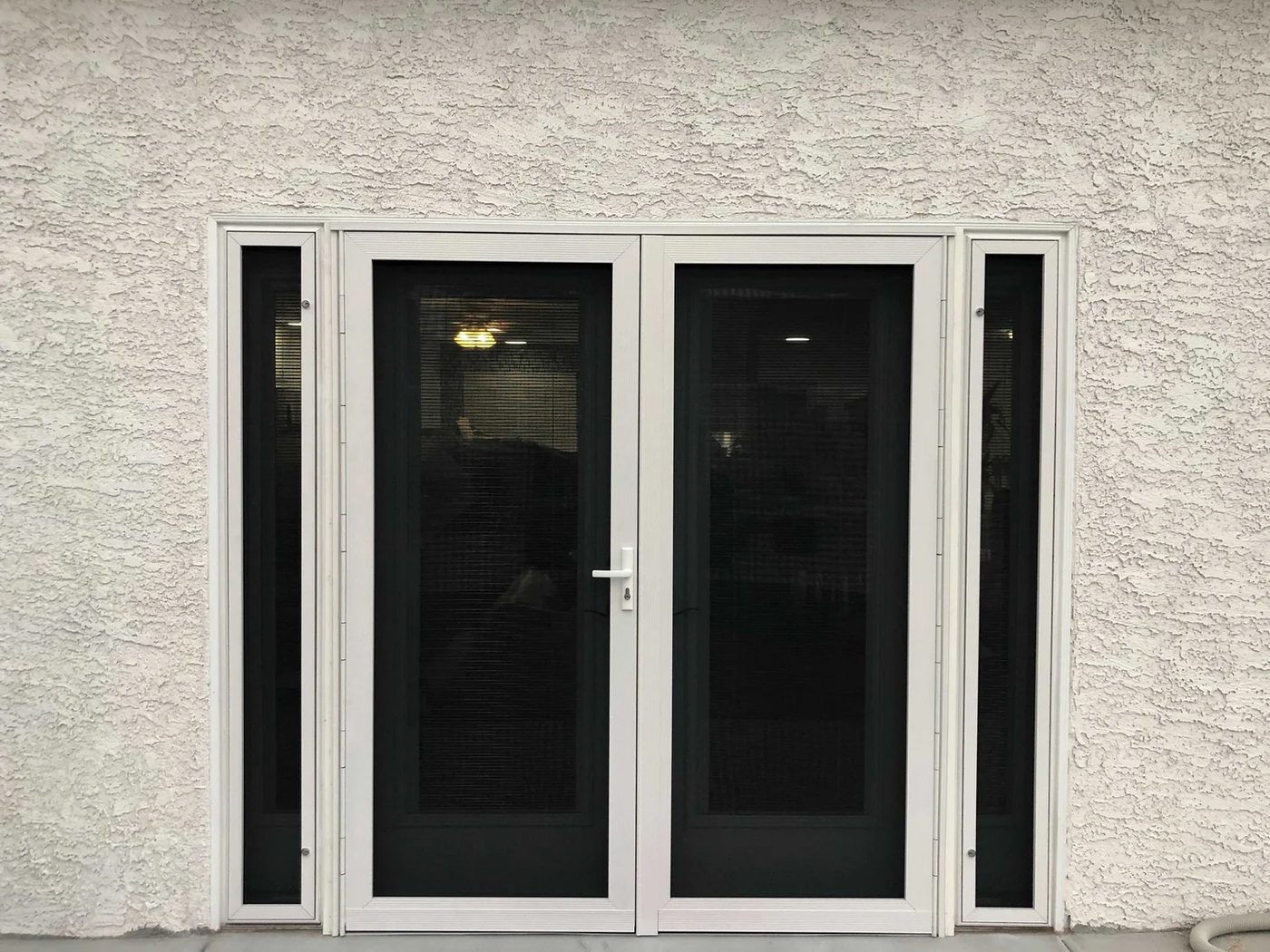
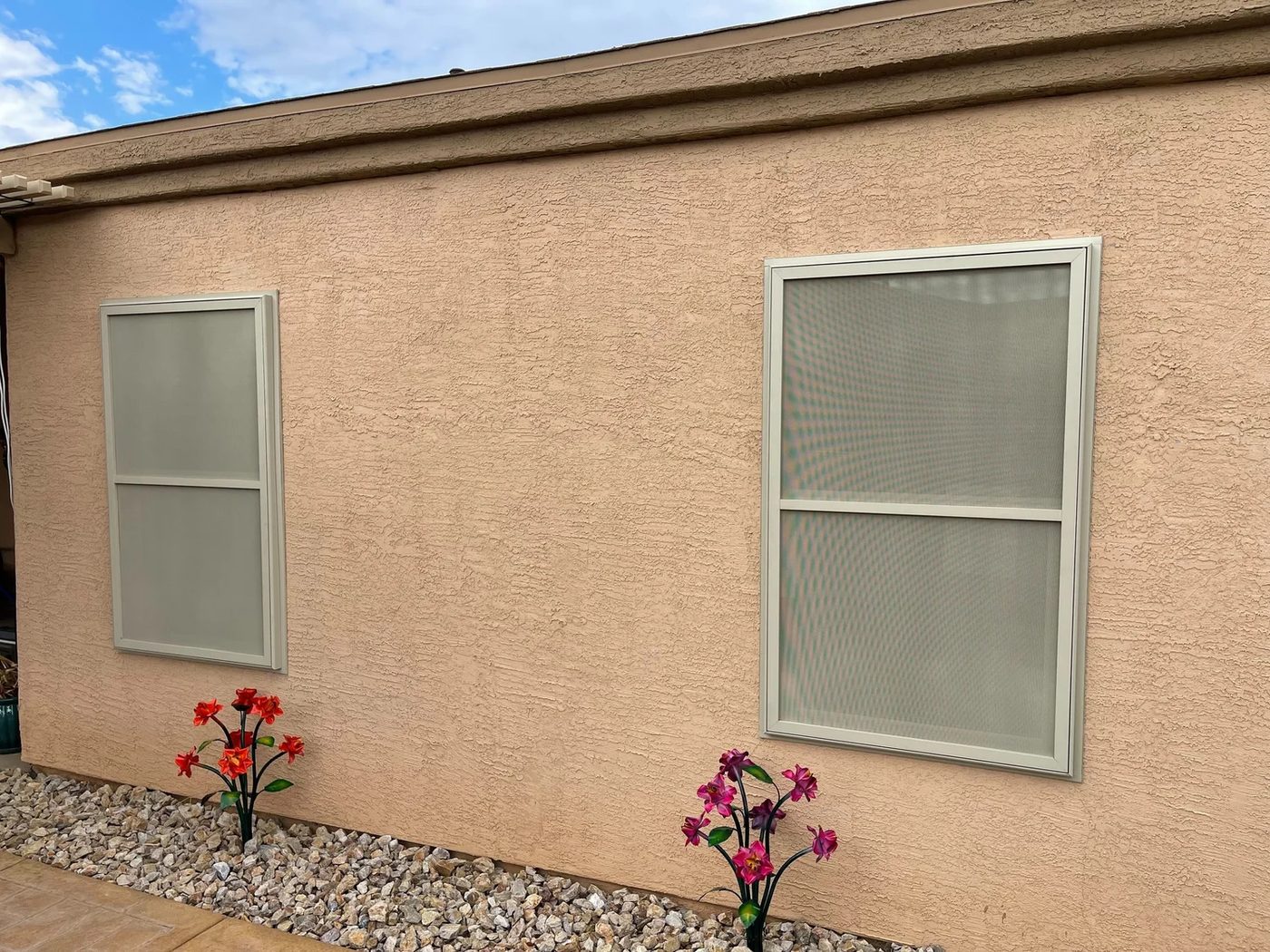
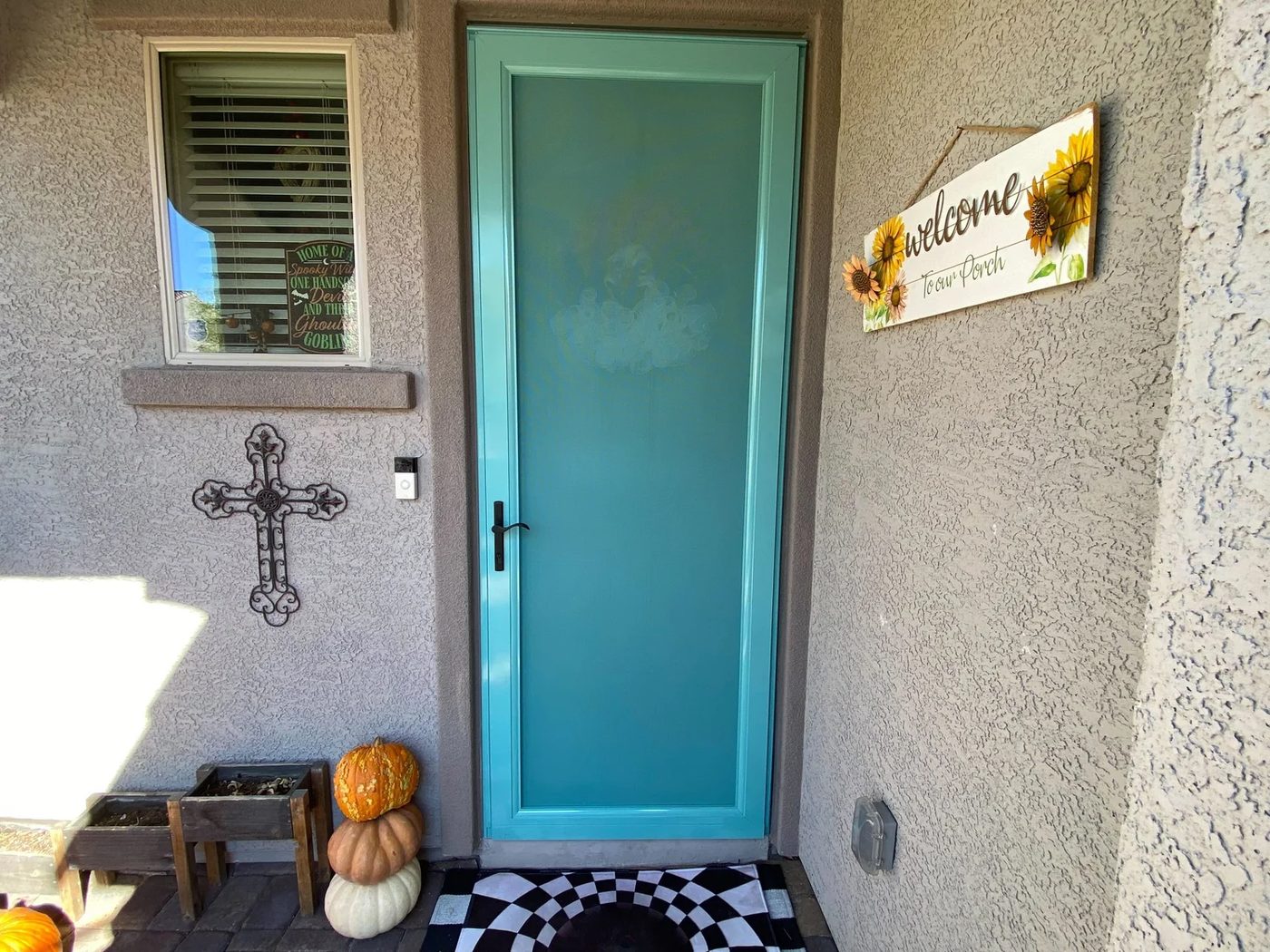
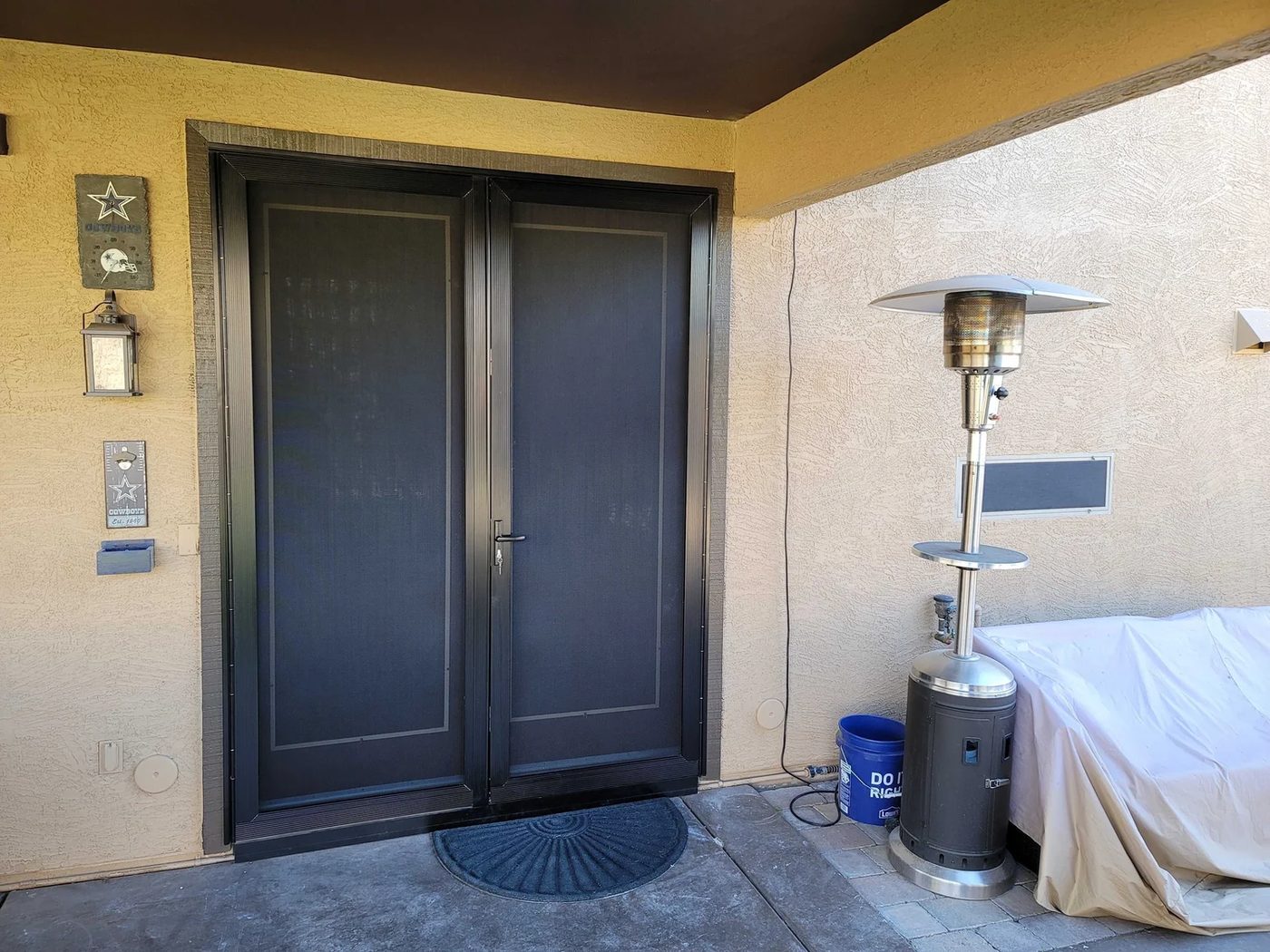
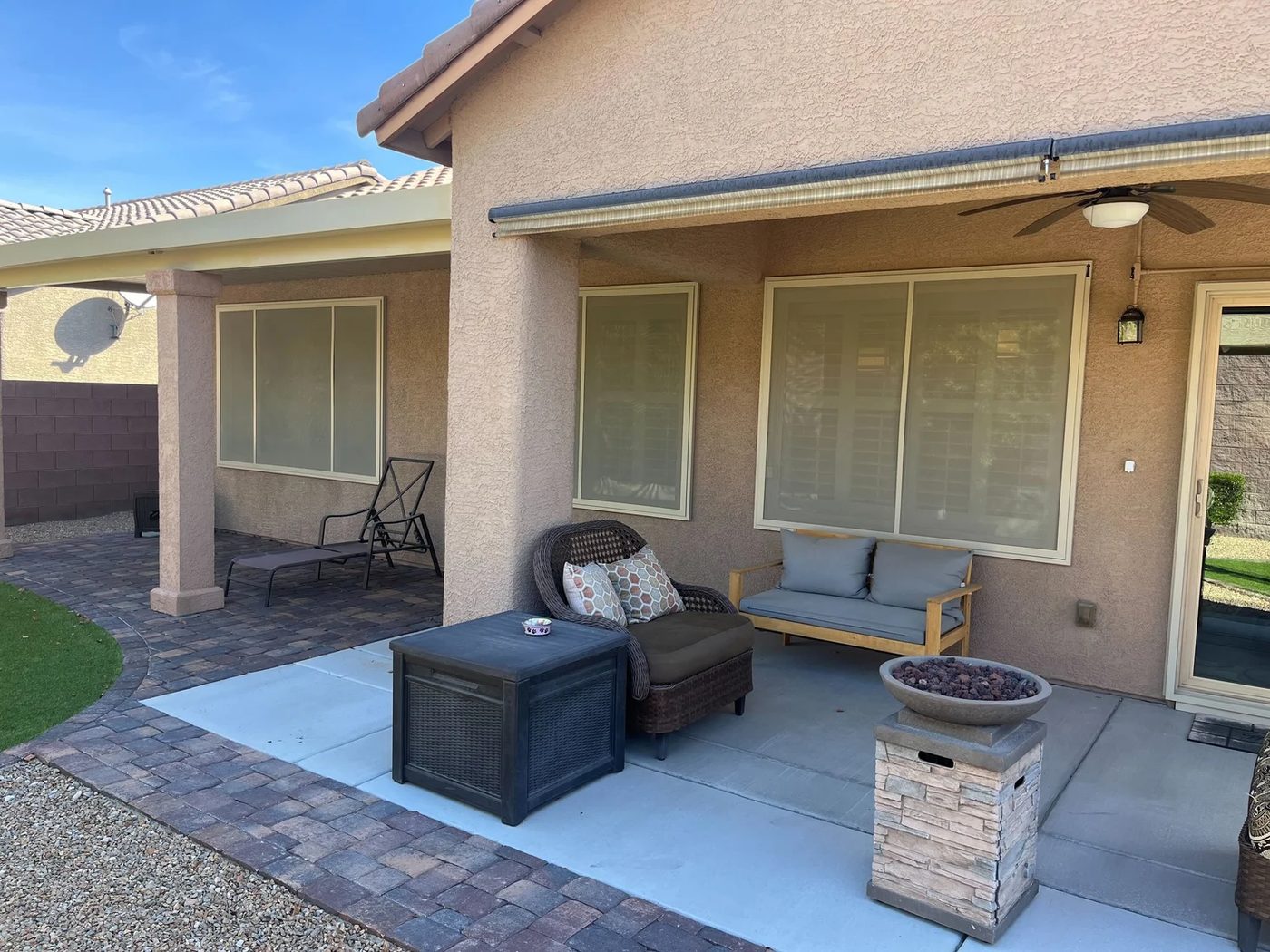
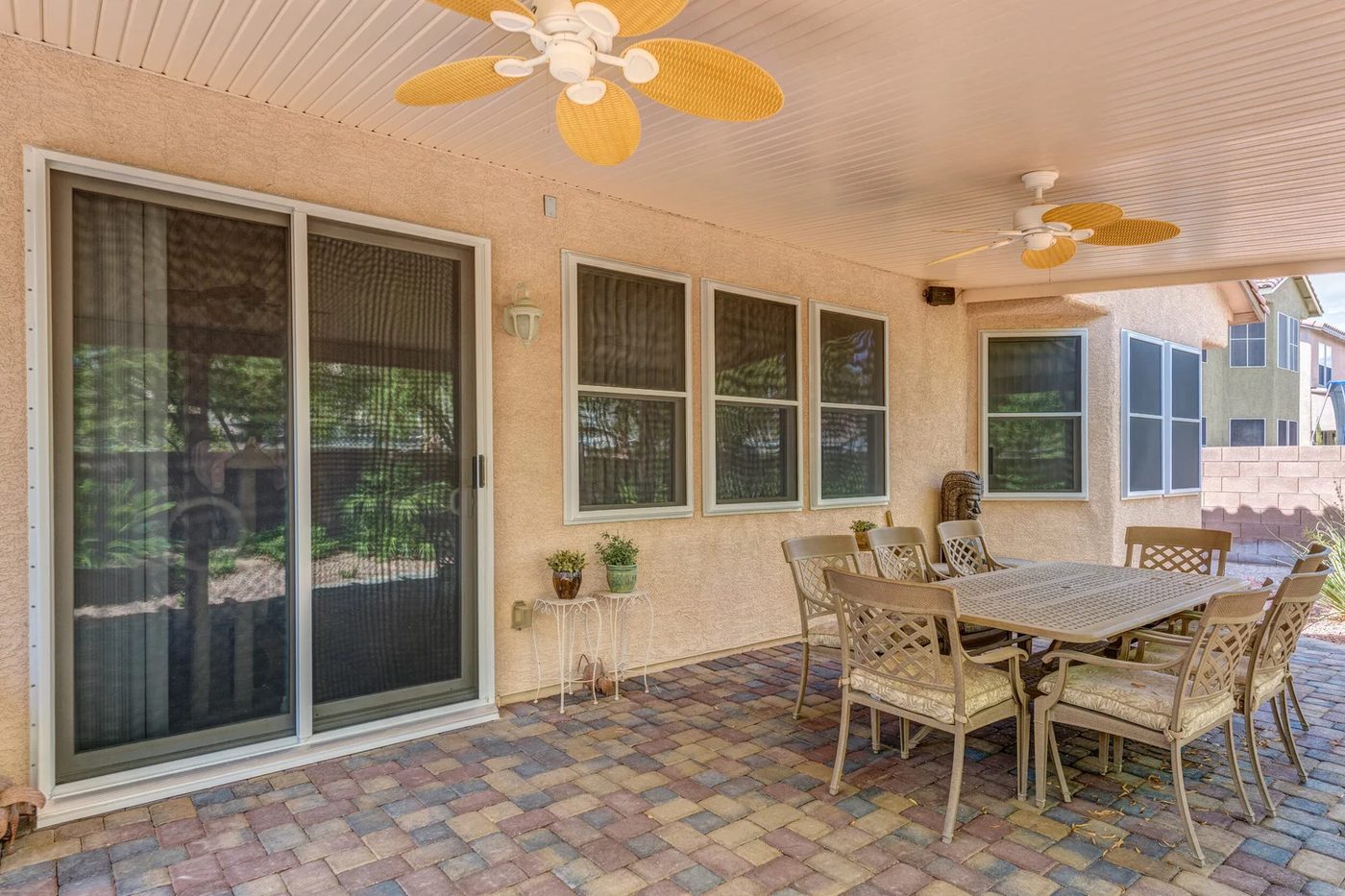
Photography courtesy of Boss Security Screens, used with permission.
What are you protecting against?
There is no single best system. Break-ins turn on forced-entry testing, wildfire on a Chapter 7A listing, hurricanes on a Miami-Dade approval. The rating is reweighted for each job separately.
Security Screen Doors
Ranked on forced-entry test evidence, a verified contractor license, and reviews tied to real jobs — not on marketing claims. We don't sell screens and we aren't owned by a manufacturer.
Wildfire & Ember Screens
What counts here is a WUI listing under CBC Chapter 7A and corrosion-resistant metal mesh with openings between 1/16 and 1/8 inch. The rating is reweighted so those carry the score.
Hurricane Screens
Mesh strength is not the deciding factor — an approval on the assembled system is. Miami-Dade NOA or Florida Product Approval, frame and fasteners included. The rating is reweighted for it.
Solar Screens
Forced-entry testing barely matters here. Material disclosure and warranty do — they decide how many summers the screen survives before it sags, fades or tears.
The anatomy of a security screen
Four parts decide whether a screen resists an attack or just looks heavy: the mesh, the frame, how the two are joined, and what the whole thing is fixed into.
The mesh
Alloy grade and wire diameter decide corrosion life and cut resistance. 316 near salt air, 304 inland — and “marine grade” is not a specification.
The frame
Depth and wall thickness decide how much a long span flexes. Flex is what lets a screen be levered away from its opening.
The retention
How the mesh is held in the frame. The single biggest difference between a security screen and a strong insect screen.
The fixings
A tested system anchored into rotten trim performs like a cheap one. Fastener type and substrate matter as much as the panel.
The one thing to check on any quote
How the mesh meets the frame is the single biggest difference between a security screen and a strong insect screen. There are three ways it is done, and only one of them survives a lever.
Spline-held
A rubber spline holds the mesh in a channel. Pry it and the spline rolls out — the mesh peels away intact and the wire never had to break.
Insect screening territoryPressure-plate
A retainer squeezes the mesh, but fastened at intervals. Better than spline, and the question to ask is the spacing between fixings.
Ask for the spacingScrew-clamped
The mesh is mechanically clamped between extrusion and retainer along its whole length. Prying loads the extrusion, not the weave.
What you want quotedPrint this before the home visit
Six questions. A contractor who does not immediately know what they mean is selling insect screening with thicker wire.
- Is the mesh splined, pressure-plated or screw-clamped along its full length?
- Which test standard covers this exact model, and what is the report number?
- Is the mesh alloy 304 or 316 — written on the quote, not described as marine grade?
- What is the wire diameter and the weave density per square inch?
- How many years is the warranty, does it cover labour, and does it transfer?
- What are you fixing into, and what happens if the substrate is soft?
Systems, scored on published evidence
Five weighted criteria. Disclosure carries the most weight because it is the part a buyer can actually verify before signing.
Can you find out what you are buying before you sign? Published pricing is weighted hardest because it is the rarest and least game-able signal in this category.
ANSI/SMA 6001, AS5039 and AAMA 1901 all count equally here — each is a recognised third-party protocol.
What the maker is still on the hook for after the install.
How the mesh is held in the frame is the usual failure point under lever attack.
Stated editorial position, not a performance metric: we weight US manufacturing because it shortens warranty recourse and supply lead times.
What it costs, and why quotes differ
These bands come from installed prices that makers and installers publish themselves. Most of the category publishes nothing at all, which is exactly why disclosure is scored.
Installed, per opening, across 46 metros
Wildfire & Ember Screens$850 – $3,600Installed, per opening, across 11 metros
Hurricane Screens$800 – $4,200Installed, per opening, across 13 metros
Solar Screens$750 – $3,800Installed, per opening, across 21 metros
Range across everything we track: $750–$4,200 per opening installed, before regional labour differences. Custom sizes, arched heads and sliding-patio spans sit above it.
239 verified installers, none invented
Every installer here was read from a manufacturer’s own authorised-dealer list, with the source and the date on the profile. 57 of them carry their own logo, pulled from their own site.
Nobody else here is neutral
Search any two brands against each other and the page that ranks is published by a third manufacturer selling against both. We sell nothing, take no money for placement, and every number links to the page we read it from.
What money cannot buy →